Plumbing Repairs
What Causes Low Water Pressure in Your Home?
2026-05-14 — Low water pressure can be frustrating and may signal a bigger plumbing issue. Discover common causes and when to call a plumber for help.
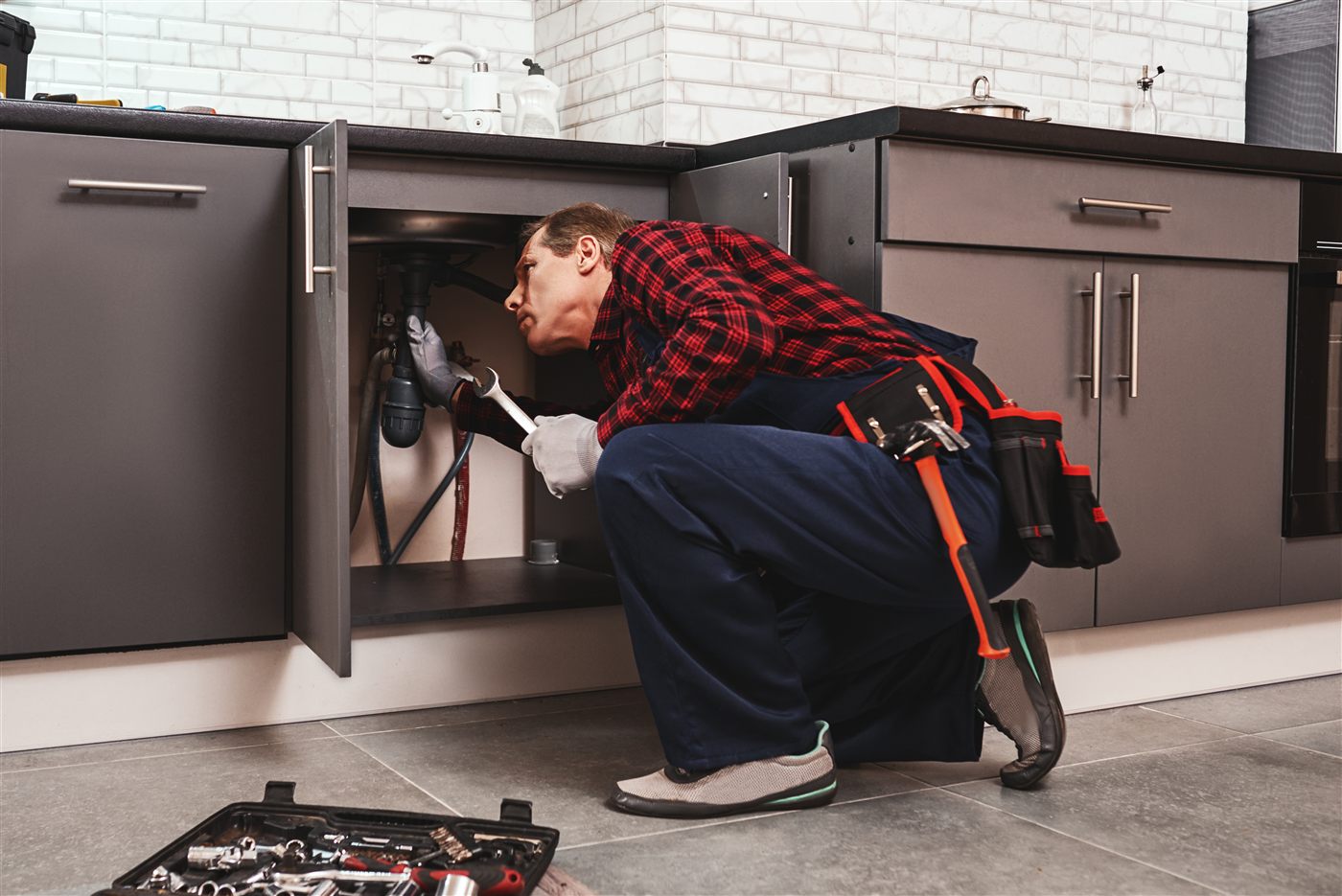
Low water pressure is frustrating because it affects nearly everything you do with your plumbing — the shower that trickles, the faucet that takes forever to fill a pot, the washing machine that runs twice as long. But water pressure problems are rarely random. There is almost always a specific cause, and identifying it early can prevent a minor inconvenience from becoming a costly repair.
Over our 25 years of plumbing repairs across Ventura County, these are the five most common causes of low water pressure we see in homes and businesses.
Mineral Buildup in Pipes and Fixtures
Ventura County water is moderately hard, meaning it contains calcium and magnesium that precipitate out of the water and adhere to pipe walls and fixture internals. Over years, this mineral scale narrows the inside diameter of your pipes. The effect is most noticeable at faucet aerators and shower heads, where small passages clog first.
If low pressure is isolated to a single faucet, cleaning or replacing the aerator usually restores full flow. If pressure is low throughout the house, mineral buildup in the branch lines or main supply may be the culprit — and that requires a professional assessment.
Hidden Water Leaks
A hidden leak diverts water before it ever reaches your fixtures. Even a small pinhole leak in a supply line can reduce pressure noticeably. The telltale signs are higher water bills alongside lower pressure, unexplained damp spots on walls or ceilings, or the sound of running water when everything is turned off.
If you suspect a hidden leak, professional leak detection can pinpoint the source without tearing open walls. Thermal imaging and acoustic listening equipment trace the leak to its exact location so the repair is precise and minimal.
Faulty Water Pressure Regulator
Most homes in Ventura County have a pressure regulator valve installed where the main water line enters the house. This valve reduces the municipal supply pressure to a safe level — typically between 45 and 65 PSI. When the regulator fails or clogs with debris, it can drop the pressure across every fixture.
A plumber can test your home's incoming pressure with a calibrated gauge and determine whether the regulator needs adjustment or replacement. This is a straightforward fix that often restores normal pressure immediately.
Pipe Corrosion in Older Homes
Homes built before the 1970s often have galvanized steel water lines. Over decades, these pipes corrode from the inside, gradually restricting water flow. What starts as a trickle at the faucet can end with a complete blockage or a pinhole leak that causes water damage.
If your home has original galvanized pipes and you are experiencing low pressure, repiping with modern PEX or copper is the most effective long-term solution. The improvement in water pressure after repiping is often dramatic.
Partially Closed Main Water Valve
This is the easiest cause to rule out. After recent plumbing work or if the main shutoff valve was bumped, it may be only partially open. The fix is as simple as turning the valve fully counterclockwise. If you are unsure where your main valve is located or how to operate it safely, a plumber can show you during a service visit.
What to Do When You Notice Low Water Pressure
- Check whether the pressure is low at one fixture or throughout the house
- Clean the aerator on affected faucets to rule out mineral clogging
- Verify the main shutoff valve is fully open
- Check your water bill for unexplained increases that may indicate a leak
- Call a plumber if the cause is not obvious or if pressure drops suddenly
When to Call a Plumber
If you have checked the basics and your water pressure is still low, it is time to call a professional. Independent Plumbing & Drain Care serves Ventura, Oxnard, Camarillo, Thousand Oaks, and the surrounding Ventura County area with expert plumbing repair and pressure diagnosis. Call 805-647-6498 or request service online.
Related Articles
Plumbing Repairs
Hidden Water Leaks in Ventura Homes: How to Spot Them Before They Cause Damage
2026-07-09 — Slab leaks, wall leaks, and crawl space leaks hide quietly until they cause real damage. Learn the early warning signs and why Ventura County homes are especially vulnerable.
Read More